


The Power of Alternative Flours: Key Ingredients for a Healthier Diet
In recent years, alternative flours have gained popularity not only among individuals with dietary restrictions but also among those looking to explore new flavors and textures in their cooking. These alternative flours are not only versatile but also offer various health benefits that traditional flours may lack.
Key Ingredients:
1. Almond Flour
Almond flour is a popular alternative to traditional wheat flour. It is low in carbohydrates, high in protein, and rich in healthy fats. Almond flour adds a nutty flavor to baked goods and works well in recipes that require a moist and dense texture.

2. Coconut Flour
Coconut flour is a gluten-free, grain-free flour made from dried coconut meat. It is high in fiber, which can help with digestion and satiety. Coconut flour has a slightly sweet flavor and is excellent for baking and thickening sauces.

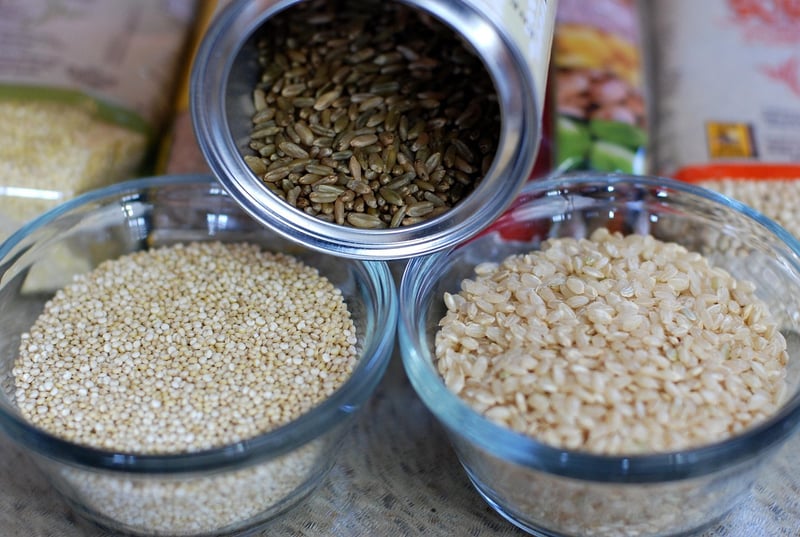
3. Quinoa Flour
Quinoa flour is a nutritious alternative flour made from quinoa seeds. It is a complete protein, containing all nine essential amino acids. Quinoa flour has a mild, nutty flavor and is perfect for baking and making gluten-free pastas.
Alternative Flours for a Healthier Lifestyle:
- Bob's Red Mill - Alternative Flours for Your Gluten-Free Baking Needs
- Minimalist Baker - Guide to Gluten-Free Flours
- Love and Lemons - Gluten-Free Flour Guide
By incorporating alternative flours into your cooking and baking, you can not only expand your culinary horizons but also boost the nutritional value of your dishes. Experimenting with these key ingredients can lead to delicious creations that cater to various dietary needs and preferences.